Hey PS+R Crew!
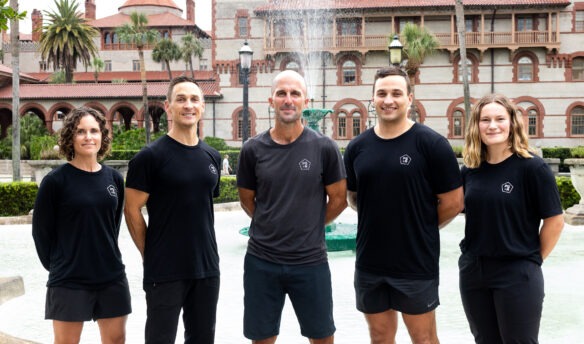
It’s a busy time around the clinic here in Saint Augustine!
Collegiate athletes are back in town.
High school and middle school athletes just wrapped up their spring seasons, and the summer training window is officially open.
With all of these athletes back in town, Austin is running Performance Profiles right now to help athletes identify exactly where they are before the hard work of pre-season training begins.
Strength gaps, movement patterns, asymmetries, all of it mapped out before a single training session starts.
That’s how you build a summer that actually pays off in the fall.
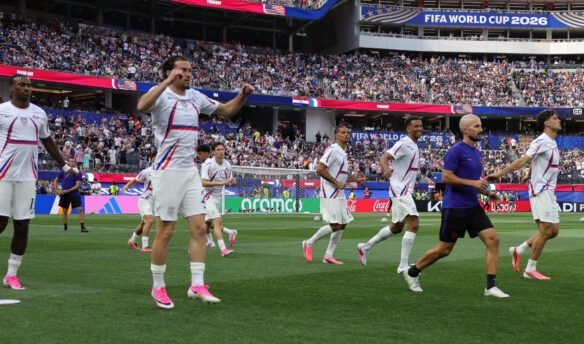
On the soccer front specifically, exciting things are happening with Sporting Jax.
The women’s side sits at the top of the table and hosting the playoffs for their first inaugural season.
The men just started their season and picked up their first win.
Steve has been working with the organization through all of it, and the momentum is real.
Plus, with a 15,000-seat stadium in the works and promotion and relegation launching in the league in 2027, there’s some awesome growth that we’re proud to be part of.
Dealing with Hamstring Strains? Here’s Why Your Hamstring Program Might Be Missing the Point
I’ve been sharing this research with athletes and parents all week because it changes how we think about hamstring training.
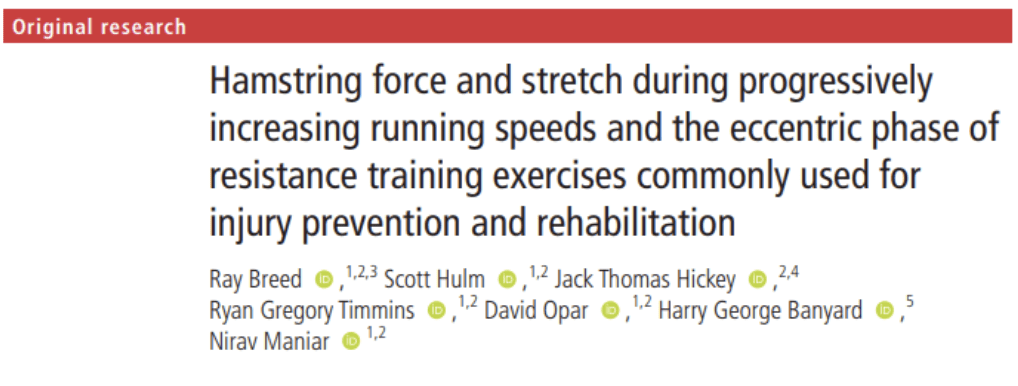
This new study from the British Journal of Sports Medicine is the first to measure both force AND stretch demands across the most common hamstring exercises using sprinting mechanics as the benchmark.
Here’s what it found: not all hamstring exercises are created equal, and where you are in your rehab or training should determine which ones you’re doing.
- Barbell hip thrusts are low force and low stretch, great for early rehab.
- Nordic curls and hamstring sliders are high force but low stretch, better for mid-stage.
- Barbell RDLs and single-leg elevated bridges are high force AND high stretch, those belong at late-stage rehab and performance training.
Exercise selection isn’t random. It depends on load, velocity, volume, and the individual in front of you. Check out the research to learn more!
From a College Soccer Player Who Came Back Stronger Than Before
“PS+R is incredible!! I am a college soccer athlete and started working with Steve after multiple hamstring injuries that kept me from participating in any practice or game. Through movement and strength tests, Steve was able to diagnose the exact cause of my injuries and developed a perfect plan on how we would deal and fix the issues. During the entire process, we kept testing and saw a continuous progress of my performance. After just two weeks, I was able to return to practice sessions with Steve on the field. The sessions progressed over time in intensity and complexity, and not only was I able to play with my team again, but I came back as the fittest player on the team and my movement patterns had improved tremendously.” — Max Gottwald
Max came in with a pattern that too many athletes know well: recurring hamstring injuries that kept pulling him off the field.
Not one. Multiple.
The kind that make you start to wonder if you’ll ever get back to where you were.
Steve ran him through movement and strength testing, found the root cause, and built a progressive plan that didn’t just get Max back on the field, it made him the fittest player on his team.
That’s not luck.That’s what happens when rehab is built around the science of what the body actually needs at each stage.
This is exactly why the hamstring research in Block 2 matters so much.
Knowing which exercises to use and when is what separates a return to sport from a return to injury.
Max’s story is proof of what a well-staged, performance-focused plan can do.
If there’s an athlete in your life heading into summer training with unresolved injuries or nagging issues, now is the time to get it sorted.Max came in with a pattern that too many athletes know well: recurring hamstring injuries that kept pulling him off the field.
Not one. Multiple.
The kind that make you start to wonder if you’ll ever get back to where you were.
Steve ran him through movement and strength testing, found the root cause, and built a progressive plan that didn’t just get Max back on the field, it made him the fittest player on his team.
That’s not luck.That’s what happens when rehab is built around the science of what the body actually needs at each stage.
This is exactly why the hamstring research in Block 2 matters so much.
Knowing which exercises to use and when is what separates a return to sport from a return to injury.
Max’s story is proof of what a well-staged, performance-focused plan can do.
If there’s an athlete in your life heading into summer training with unresolved injuries or nagging issues, now is the time to get it sorted.