AAOMPT / Orthopaedic Manual Physical Therapy

In this episode, physical therapist and researcher Dr. Libby Bergman explains why hip dysplasia in young adults is frequently overlooked—and what clinicians can do to catch it earlier. Her research explores whether simple clinical tests physical therapists already use—range of motion, strength testing, and hypermobility measures—might help identify hidden hip instability. The findings could help clinicians recognize hip dysplasia sooner and potentially prevent years of unexplained pain and delayed treatment.
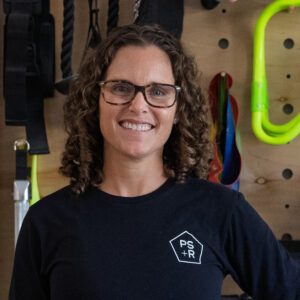
About Libby Bergman

Libby is the Director of Rehab and Innovation at PS+R. She is a Board-Certified Orthopedic Clinical Specialist through the American Physical Therapy Association (OCS), a Fellow of the American Academy of Orthopedic Physical Therapy (FAAOMPT) and Crossfit Level 1 Coach.

Libby specializes in the treatment of complex orthopedic dysfunctions of the spine and extremities. She is a graduate of the University of Wisconsin- Madison and completed her Doctor of Physical Therapy at the University of St. Augustine in 2007. She is a Board Certified Orthopedic Clinical Specialist (OCS) and Fellow of the American Academy of Orthopedic Manual Physical Therapy. She is pursuing her PhD in physical therapy at Texas Woman’s University and is currently a ReproRehab data science fellow. Her research interests are in using big data to improve outcomes for patients with hip pain including hip dysplasia, the role of the pelvic floor and hip pain in athletes, and trauma informed physical therapy interventions for people living with chronic pain.

Join our community for our monthly newsletter with news, tips & more

"*" indicates required fields

Past Newsletters

March 2026

PS+R February 2026 Newsletter – Stronger isn’t always the answer – here’s what is

October 2025

PSR September 2025

August 2025

PSR August 2025