Hey PS+R Crew!
We hope you’re enjoying this beautiful Florida fall weather—we sure are at PS+R!
What We’ve Been Up To
Our team has had an action-packed month on the road and in the clinic:
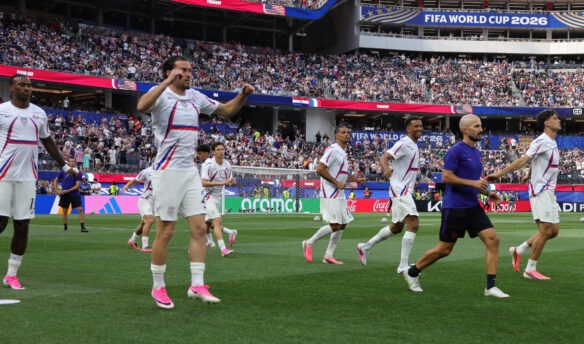
- Steve traveled with the US Men’s National Soccer Team for four friendly matches, celebrating an exciting, undefeated streak!
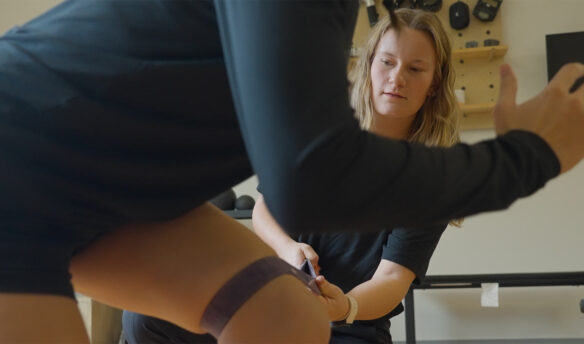
- Austin & Sarah have been hard at work guiding our post-surgical knee athletes through every stage of their recovery journeys.
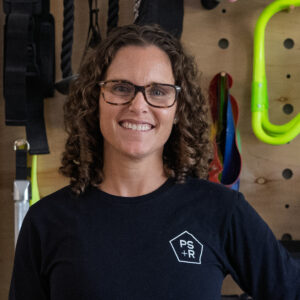
- Libby continues to grow her patient load specializing in chronic hip dysplasia while mentoring the next generation of physical therapy students.
Here’s a quick update straight from Libby on what she’s been seeing in the clinic:
“Recently, I’ve been treating more post-hip arthroscopy patients and individuals with new or suspected hip dysplasia diagnoses. We’ve been spending a lot of time helping patients navigate when it’s time to explore imaging and surgery versus when it’s time to double down on rehab. Hips take time to figure out properly, and having the right diagnostic team is key to finding the correct path forward. Thankfully, with a solid progression program and a clear return-to-sport strategy, we’re getting people back to doing what they love!”
Research Spotlight: Understanding Acetabular Dysplasia
Speaking of Libby—our resident “Hip Queen”—this month’s research spotlight comes directly from her latest published article on Assessment and Management of Acetabular Dysplasia!
- What It Is: Acetabular dysplasia occurs when a shallow hip socket provides inadequate coverage of the femoral head, leading to joint instability, soft-tissue stress, labral tears, and an increased risk of early-onset osteoarthritis. While historically linked to infancy, research shows it can also develop during adolescent growth due to reduced joint loading.
- Who It Affects & Key Symptoms: Most commonly diagnosed between ages 14 and 18, it disproportionately affects females, athletes (especially in dance, volleyball, and soccer), and those with a family history of hip conditions. Patients typically report groin or hip pain—often in a “C-sign” distribution—that worsens with movement or prolonged sitting/standing, frequently accompanied by clicking, catching, or locking.
- Diagnostic Challenges: Because symptoms overlap with FAI syndrome and soft-tissue strains, patients face average diagnostic delays of 3 to 3.5 years, often leading to chronic back pain and depression. While physical exam tests help evaluate dysfunction, a definitive diagnosis requires multi-view X-rays showing a Lateral Center Edge Angle (LCEA) <20∘<20∘, often combined with MRI or CT scans.
- Treatment & Rehabilitation: Non-surgical management begins with at least 12 weeks of targeted rehab focused on movement pattern retraining, pelvic alignment, and deep hip rotator strengthening. For moderate-to-severe cases, Periacetabular Osteotomy (PAO) surgery structurally reorients the socket, offering excellent long-term joint preservation and enabling 63% to 90.8% of athletes to return to sport.
The Bottom line
Early identification in young, active patients—especially females presenting with insidious groin or hip pain—is crucial to preserving the natural joint. Pairing specialized physical therapy with timely referrals to hip preservation experts ensures the best long-term outcomes for performance and joint health.
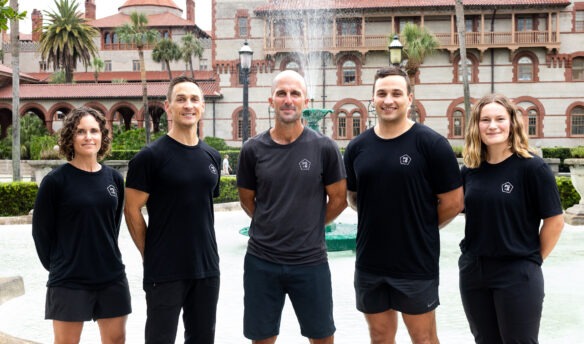
We are so lucky to have Libby as part of the PS+R team! Her deep clinical experience and tireless research in nonarthritic hip pain bring a level of care to our clinic that is hard to find anywhere else. Complex hip cases require patience, precision, and the right team—and with Libby leading the way, our patients are always in the absolute best hands. Thank you, Libby, for all the expertise and passion you bring to PS+R every single day!
Until next time, keep moving well and doing what you love!